

This is the second post in a three-part series exploring how we navigate life’s most difficult moments and how therapy may assist.
Have you ever noticed how, in moments of deep pain or struggle, everyone around you seems desperate to make things better? Perhaps you’ve shared a difficult experience, only to be met with immediate suggestions for solutions, gentle reminders to ‘look on the bright side’, or well-meaning attempts to lift your spirits. While these responses come from a place of love, they can leave you feeling somehow wrong for your very real feelings of sadness, grief, or distress.
The challenge of being heard
When we’re navigating challenging times, it’s natural to reach out to those closest to us. Yet paradoxically, it’s often these very people—those who care about us most deeply—whose support doesn’t quite match what we need. Their love for us means they feel our pain acutely, spurring an almost instinctive drive to fix, change, or rescue us from our distress.
I’ve sat with countless clients who share how exhausting it becomes to manage not only their own pain but also others’ discomfort with that pain. You might find yourself editing your story, brightening your tone, or holding back the full depth of your struggle to protect loved ones from worry. Perhaps you’ve noticed yourself saying ‘I’m fine’ or ‘It’s getting better’ just to ease the anxiety in their eyes, even when neither statement feels truly honest.
Acknowledging what is
The reality is, some experiences in life can’t be fixed with a positive thought or a different perspective. Whether you’re dealing with loss, trauma, chronic illness, relationship breakdown, or any other profound challenge, your pain is real. It’s valid. It makes sense. And sometimes, what you need most isn’t a rope to pull you out of these feelings, but someone willing to sit with you in their midst.
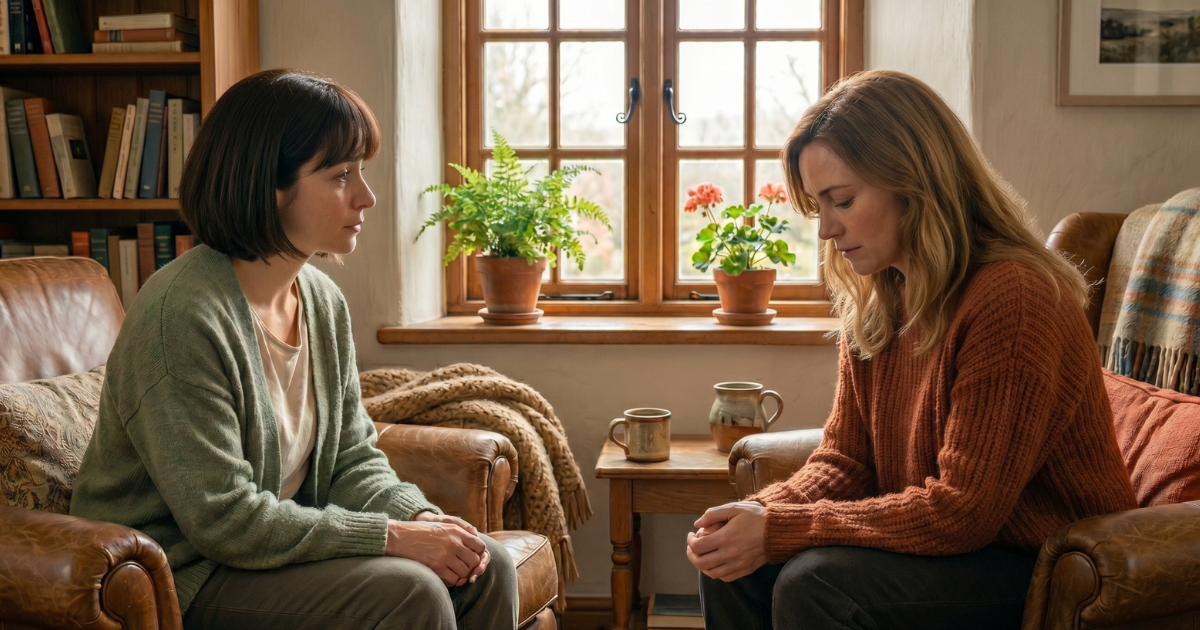
As a psychologist, I’ve learned that true healing often begins not with solutions, but with acknowledgment. The therapy room becomes a unique space where you can remove the mask you might wear in daily life. Here, you don’t need to be strong or resilient. You don’t need to protect others from your pain. You don’t need to push through or pretend things are better than they are.
Finding Your Own Path
This doesn’t mean we’ll sit forever in difficulty without exploring ways forward. Rather, it’s about finding the right balance and timing that works for you. When we’ve created space for your experience to be fully heard and validated, we can begin to explore what might help you navigate this challenging terrain—not by pretending the challenges don’t exist, but by acknowledging them while building your capacity to move through them.
There’s something profoundly healing about being truly seen and accepted exactly as you are in any given moment. When we don’t have to rush away from pain or mask it with forced optimism, we often find our own inner wisdom about what we need. This might mean:
- Allowing yourself to feel what you feel without judgment
- Recognising that your responses to difficulty are natural and valid
- Learning to trust your own experience rather than doubting it
- Developing self-compassion for your struggles
- Finding ways to be authentic about your experience with others
Moving Through Pain, Not Around It
While I can’t offer magic solutions or take away the reality of what you’re facing, I can provide a space where your experience is deeply respected and understood. The therapeutic relationship offers something unique—a balance between compassionate presence and skilled guidance. It’s about creating room for both pain and possibility, where healing happens not by bypassing difficulties but by moving through them with awareness and support.
If you’re finding it hard to navigate challenging experiences, or feeling pressured to ‘get better’ faster than feels right for you, remember that your journey is your own. Sometimes, the most valuable step forward is having someone witness your experience without trying to immediately change it. I understand this deeply, and I’m here to offer that space of genuine understanding and professional support when you need it. I’d be glad to sit in the mud with you, and in time, to help you find your own way out of it.
You can book an appointment online or contact us to find out more about how we can support you.
This post is part of a three-part series exploring how we navigate life’s most difficult moments.
- When Life Splits in Two: Navigating Your World After a ‘Big Bad‘ — When life splits into before and after
- The Power of Presence: Being a Mud Sitter in the Therapeutic Space — Why being heard matters more than being fixed
- Trauma Beyond the News Cycle: A Psychologist’s Insights — What happens after the cameras leave
Nicole Hendry, Registered Psychologist
Subscribe to our newsletter Attuned Life
Would you be interested in receiving our occasional newsletter, event information and other useful tips via e-mail?